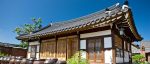
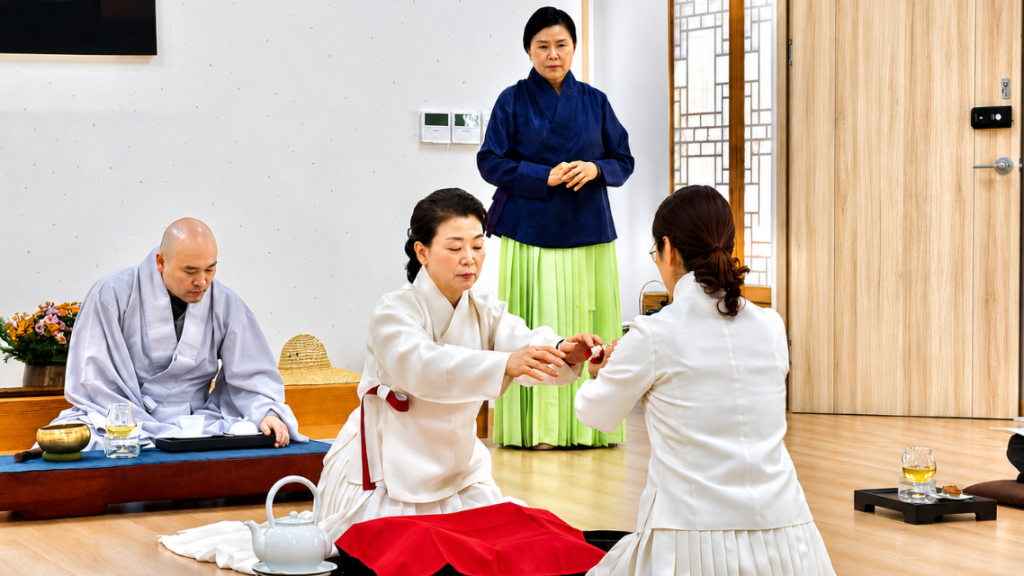
Photo credit: traditional South Korean tea ceremony, MIR
Why Visit South Korea and Taiwan This Year or Next
Two Close Neighbors, Two Distinct Journeys
If East Asia is on your radar, South Korea and Taiwan deserve a closer look. Both combine major historical sites, strong regional food traditions, and contemporary culture, yet a significant part of their culture and some of their most vibrant corners remain undiscovered by most travelers. They are also easy to reach, with Seoul and Taipei serving as major gateways into the region. Whether you’re planning a journey this year or next, both destinations have plenty of reasons to move higher on your list.
South Korea: Palaces, Markets, Tea Country, and the Coast
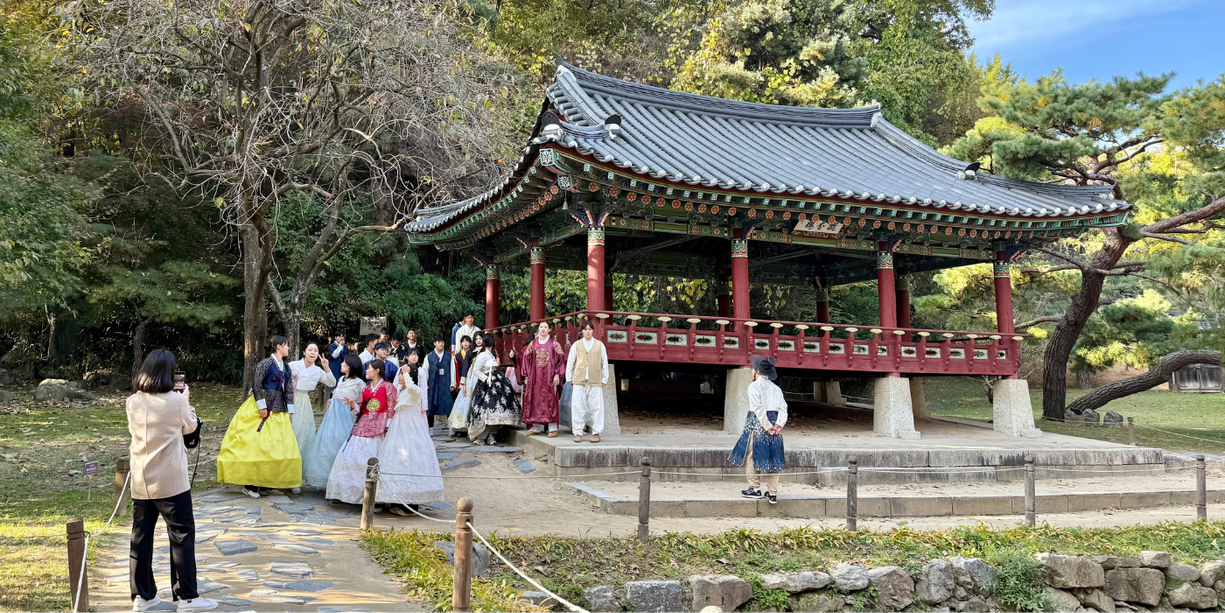
Walk through Gyeongbokgung Palace in Seoul, and you’ll see traces of the Joseon Dynasty at the center of one of Asia’s largest cities. Cross the country overland north to south, and you’ll learn about the history and tradition that have soaked into the landscape.
MIR’s Small Group Tour South Korea: A Journey Through Time begins in Seoul, where ancient palaces, neighborhood markets, and modern architecture sit close together. Beyond the capital, the route continues to Suwon Hwaseong Fortress, Jeonju Hanok Village, Daedunsan Provincial Park, Hadong’s tea country, Yeosu, Jinju, and Busan. Try Korean archery, take part in a bibimbap cooking class, visit a wild tea plantation, stay in a hanok-style hotel, and explore Busan’s markets, temples, and coastal neighborhoods.
Taiwan: Temples, Night Markets, Indigenous Heritage, and Island Landscapes
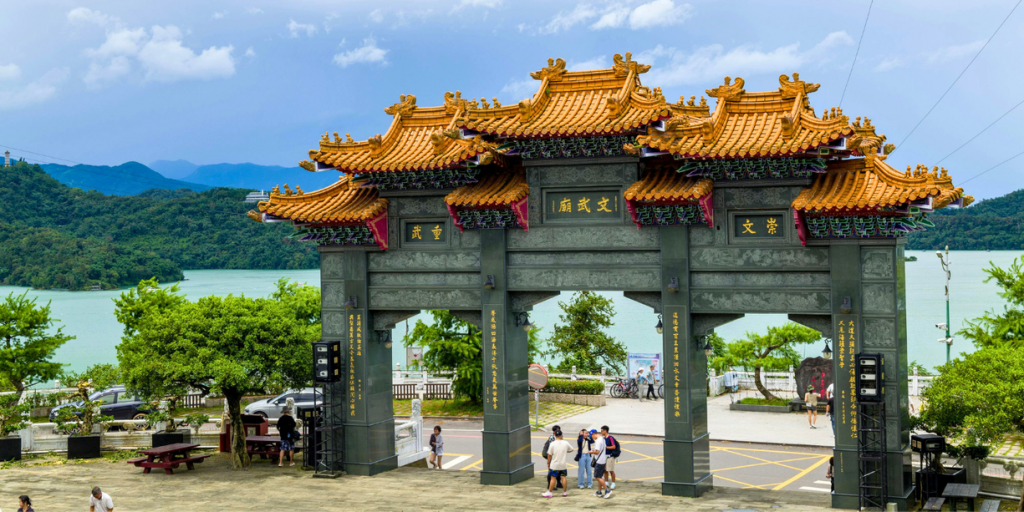
Taiwan’s story combines Indigenous heritage, Chinese migration, Japanese influence, and a strong contemporary identity. The food culture mixes influences from across East Asia. Night markets, tea houses, oyster omelets, beef noodle soup, and regional snacks reveal how migration and trade have shaped the island’s culinary image.
MIR’s Small Group Tour Uncovering Taiwan: An Island Apart opens in Taipei with visits to the National Palace Museum, Lungshan Temple, Chiang Kai-shek Memorial Hall, Taipei 101, and Ningxia Night Market. The route takes you along the north coast to Keelung and Yehliu Geopark before turning south to Taichung, Sun Moon Lake, Lukang, Tainan, and Kaohsiung. Visit a sweet potato farm, meet with WWII historian, enjoy a private boat cruise on Sun Moon Lake, taste tea at a local tea farm, and spend time in the Maolin National Scenic Area with a focus on Rukai culture.
Why Back-to-Back Makes Sense
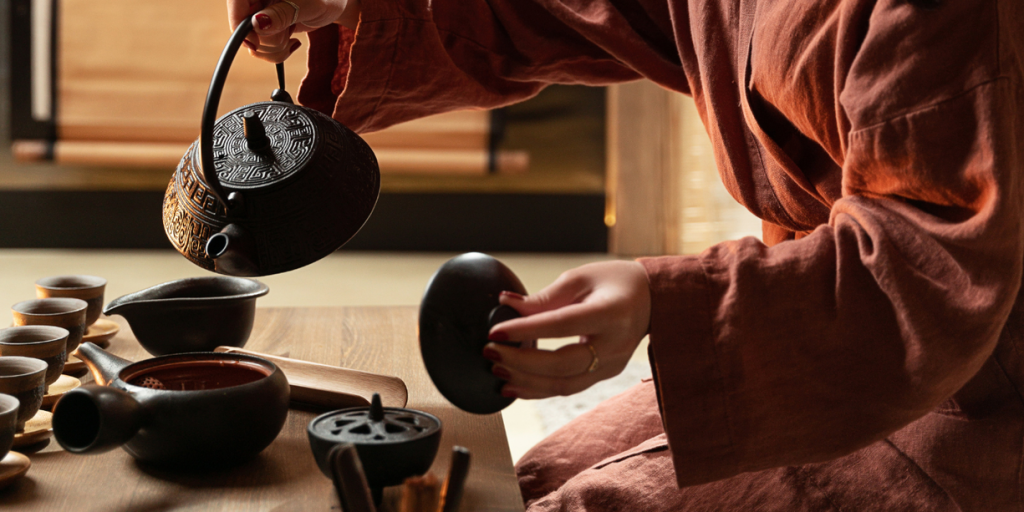
Combining South Korea and Taiwan creates a well-balanced East Asia journey. South Korea brings the Korean Peninsula’s dynastic history, divided present, temple traditions, tea culture, and seaport life into focus. Taiwan’s island setting hosts Chinese imperial collections, indigenous communities, agricultural visits, coastal geology, night markets, and temple arts. There’s still space for this amazing combination in the fall of 2026. South Korea is scheduled from November 8-17, with Taiwan following from November 17-26.
The 2027 dates also align cleanly:
In the spring – South Korea runs May 16-25, followed by Uncovering Taiwan May 25-June 3.
In the fall – South Korea runs October 31-November 9, followed by Uncovering Taiwan November 9-18.
Savings for Back-to-Back Travelers:
MIR offers $100 off per tour when booking back-to-back Small Group tours, a savings of $200 per person when South Korea and Taiwan are combined.