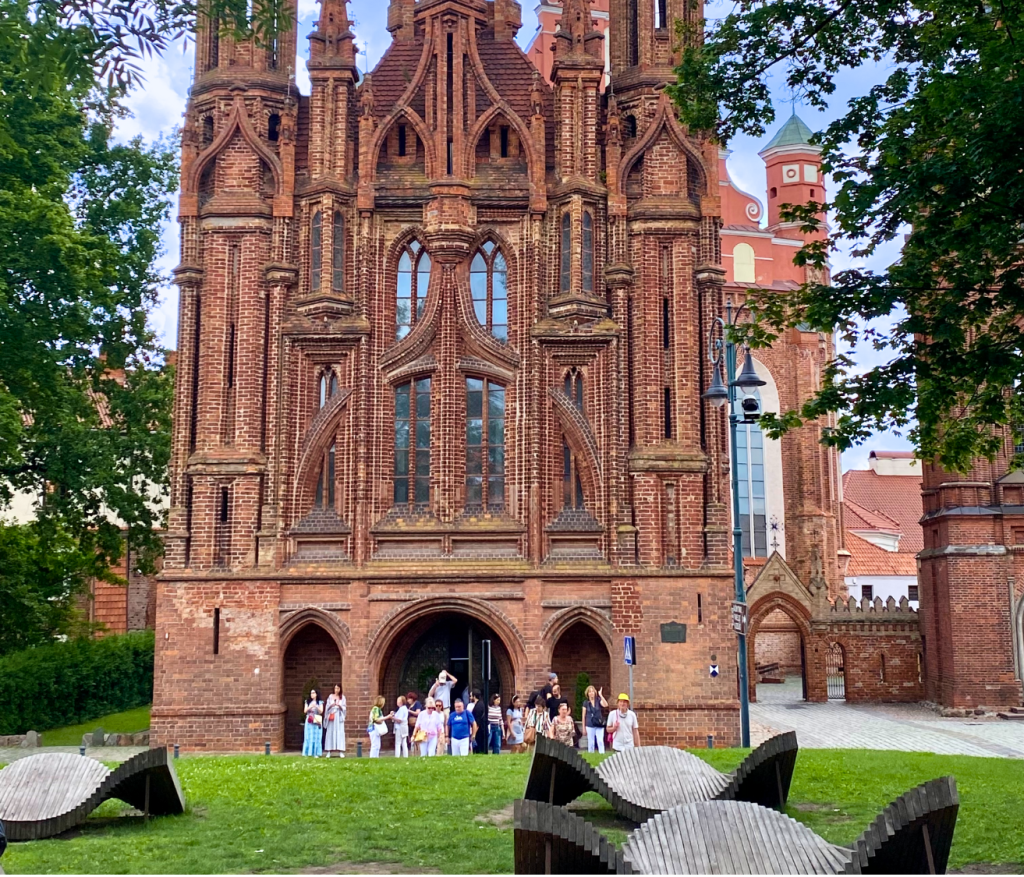
Photo credit: St. Anne's Church in Vilnius, Lithuania MIR corp
Balkans or Baltics?
Two Corners of Europe with Distinct Rhythms, Histories, and Daily Life
The Balkans and the Baltics sit at opposite ends of Europe and feel far apart in more than geography. One grew out of centuries of empires meeting along mountain passes and river valleys. The other developed around northern trade routes, dense forests, and the Baltic Sea. At first glance, they seem to have little in common.
That first impression doesn’t hold for long.
Both regions are compact and easy to explore overland. History shows up in how towns work, what’s served at the table, and in historic centers where people still live and gather. You see it in how streets connect and how public spaces are used.
Choosing between the Balkans and the Baltics often comes down to what kind of experience you’re drawn to. MIR has spent decades traveling and working in both, and here’s how we think about what sets them apart.
The Balkans
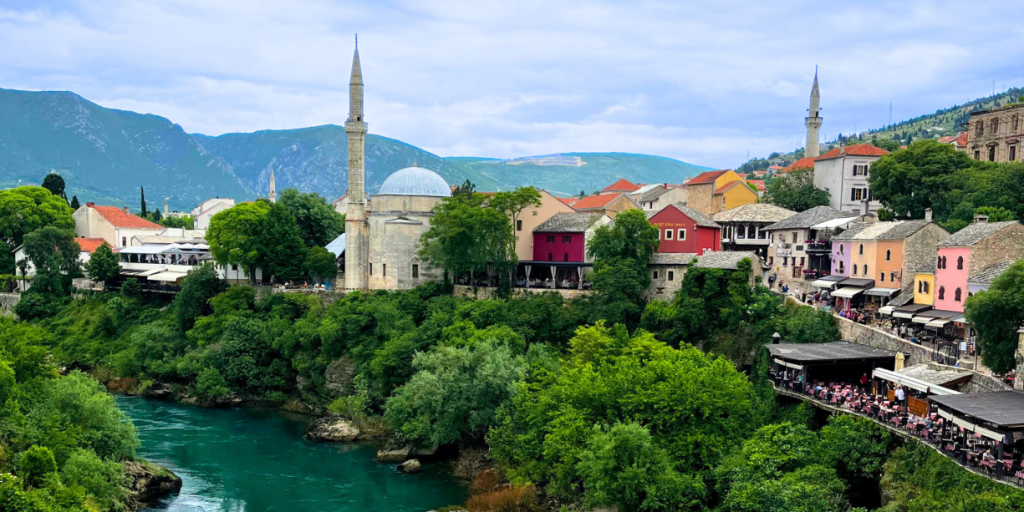
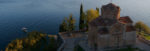
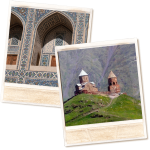
The Balkans place cultures, religions, and histories close together, often within the same neighborhood. Ottoman-era mosques are just a short walk from Orthodox monasteries and Catholic churches. Austro-Hungarian town centers sit near medieval fortresses and neighborhoods that reflect the Yugoslav period.
Across Albania, Bosnia and Herzegovina, Croatia, Kosovo, Montenegro, North Macedonia, Serbia, and Slovenia, things slow down once you sit down. Coffee is rarely rushed. Conversations stretch on, moving between the past and the issues people still debate.
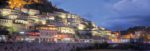
In Sarajevo, traditional Ottoman coffee customs still set the tone in café-lined streets that remain central gathering places. In Albania, hospitality is often expressed through the kitchen, with generous home-cooked meals and long tables meant for sharing. Along the Adriatic coast, the working fishing ports of Croatia and Montenegro sit alongside long-established coastal towns, while inland monasteries in Serbia and North Macedonia are still used for worship. Slovenia brings a different balance, where Alpine landscapes, wine country, and farm-to-table cooking naturally belong together.
Ready to explore the Balkans with MIR? Explore MIR’s Small Group Tours, Private Journeys, and Custom Travel Options >>
The Baltics
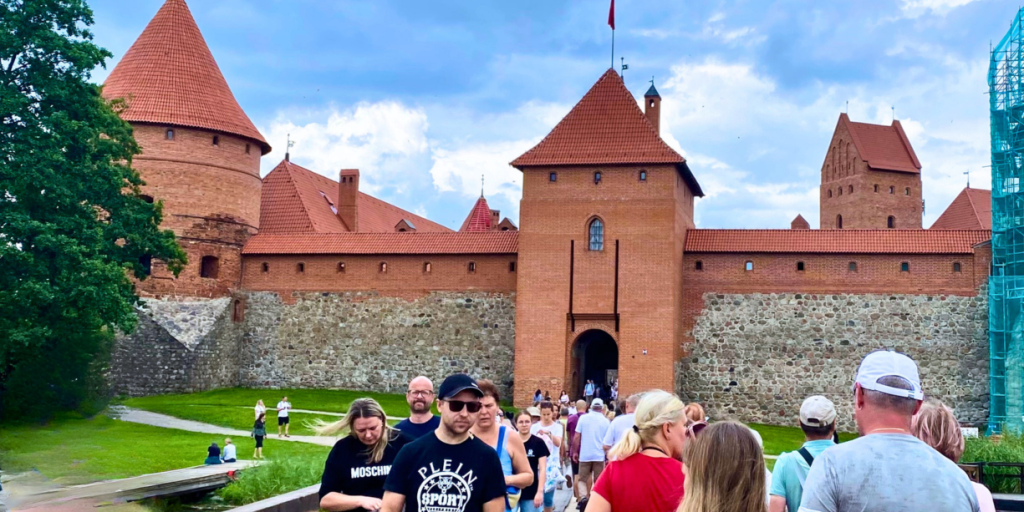
Estonia, Latvia, and Lithuania may be small on the map, but each holds a sense of identity, expressed through language, folklore, and deep ties to land and sea.
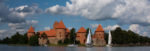
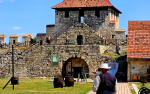
Tallinn’s medieval center reflects its Hanseatic past, while nearby forests and coastline sit just beyond the city, making walking, cycling, and time outdoors easy parts of the day. Riga stands out for its remarkable concentration of Art Nouveau architecture, paired with a food scene that ranges from historic market halls to Michelin-listed restaurants. Vilnius blends Gothic, Baroque, and modern influences. It serves as a cultural center for contemporary Baltic art, music, and design, alongside an active tech sector and creative scene.
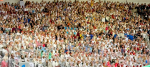
Song and dance festivals bring whole communities together and are as meaningful for locals as they are welcoming for visitors. Folk traditions continue through celebrations and seasonal gatherings. Across the Baltics, public squares, parks, and waterfronts are actively used, giving towns a sense of openness and ease that you notice right away.
Ready to explore the Baltics with MIR? Explore MIR’s small group tours, private journeys, and custom travel options >>