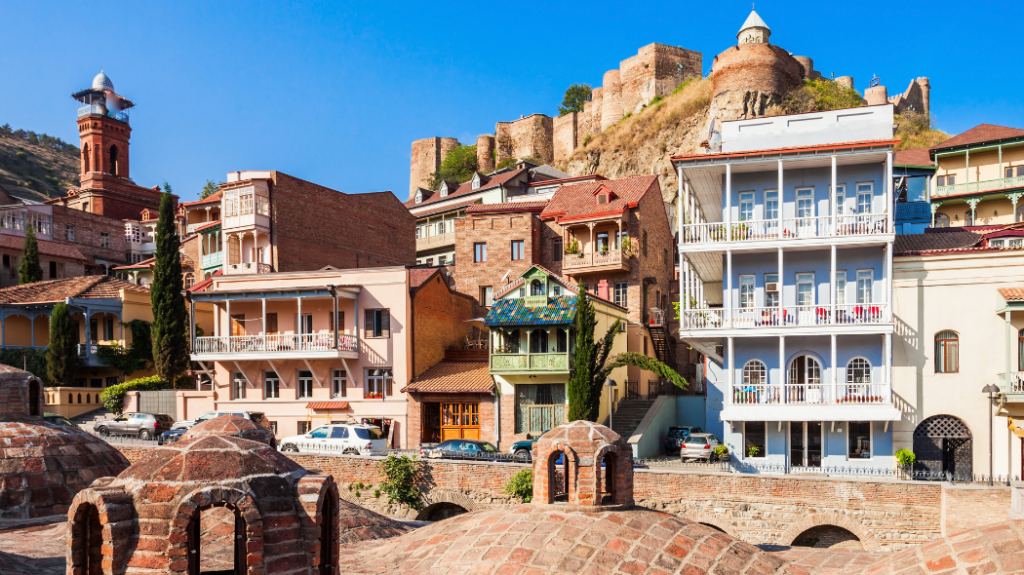
Photo credit: Old Tbilisi, MIR Travel
MIR’s Earliest Destinations, Then And Now
Central Asia, The South Caucasus, The Baltics, And The Balkans Through Decades Of Change
40 years is long enough to see a destination change more than once.
When MIR began taking travelers to places that felt a world apart, Central Asia, the South Caucasus, and the Baltics became some of our earliest regions, and the Balkans followed soon after. Our travelers were drawn to the sheer remoteness of Silk Road cities, the Hanseatic streets of the Baltics, the Ottoman bazaars of the Balkans, the winemaking heritage of the South Caucasus, and the cultural exchanges that endured behind closed borders. 40 years later, we are still here, backed by affiliated offices on the ground and decades of firsthand knowledge. Here’s how MIR’s initial destinations have evolved, and the routes they have taken along the way.
Central Asia At The Crossroads Again
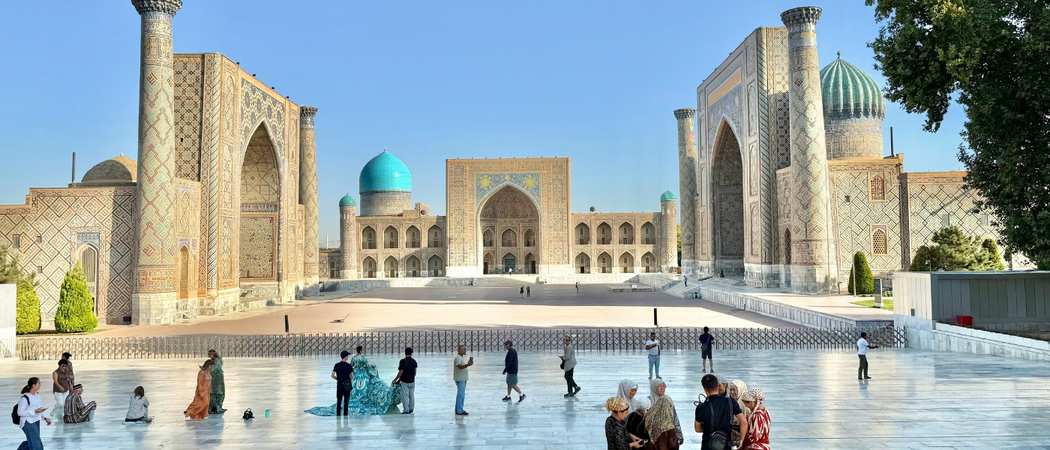
For centuries, the Silk Route made Central Asia a meeting point for merchants, crafts, religions, and ideas moving between East and West. The Soviet decades redirected many of those connections, but left a very different cultural imprint. You can see it in the ornate underground stations of the Tashkent Metro, the avant-garde art collection at the Savitsky Museum in Nukus, and modernist architecture across the region’s capitals.
Today, Central Asia is easier to visit and more connected worldwide. U.S. travelers can enter Uzbekistan, Kyrgyzstan, Kazakhstan, and Tajikistan visa-free for short stays, flight options have expanded, and fast trains now link Tashkent, Samarkand, and Bukhara. Across ancient oasis cities, restored historic spaces host new cultural events, such as the Bukhara Biennial. Over the past 40 years, MIR’s Central Asia itineraries have been continually reimagined to incorporate new routes, cultural hubs, accommodations, and experiences. That work is supported by our affiliated office in Tashkent and by expert guides and local partners across the region.
The South Caucasus Across Three Distinct Cultures
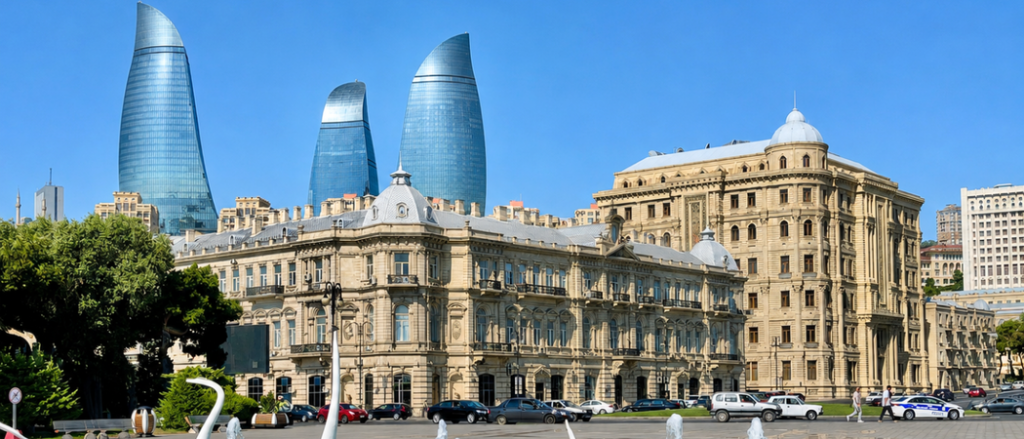
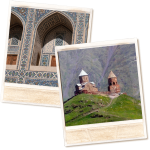
Georgia, Armenia, and Azerbaijan have long had their own languages, faiths, food, music, crafts, and architecture. Georgian polyphonic singing and qvevri winemaking, Armenia’s stone monasteries and khachkars, and Azerbaijan’s carpet weaving and tea culture are only part of the picture. The Soviet period added another visible chapter through modernist buildings, mosaics, monuments, and public spaces.
Today, those traditions exist alongside cities and cultural landscapes that have changed considerably. Tbilisi has new galleries, restaurants, and wine bars alongside its old neighborhoods and sulfur baths. Yerevan combines its Soviet-era cityscape with a growing food, arts, and cultural scene; Baku’s medieval Old City and oil-boom architecture now stand alongside striking contemporary buildings. MIR’s Tbilisi office keeps us closely connected to the changes and new developments across all three countries.
The Baltics Between Old Cities And New Ideas
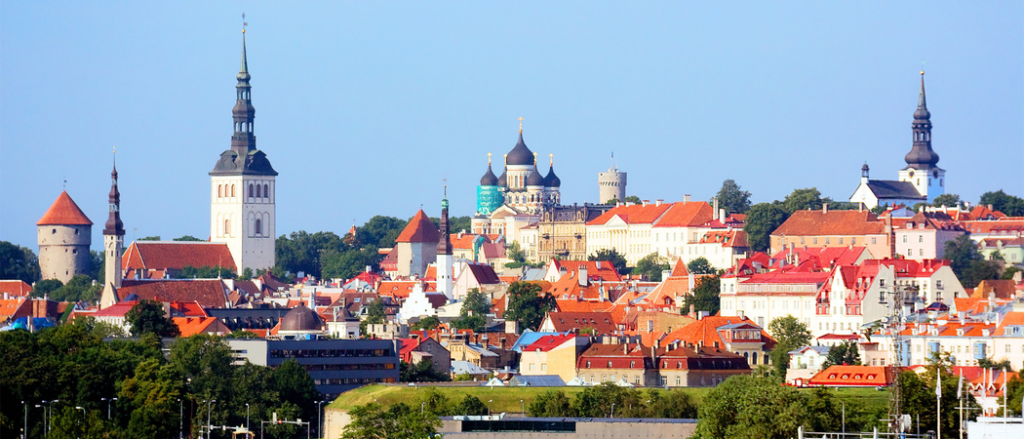
When Estonia, Latvia, and Lithuania restored their independence, medieval old towns, Riga’s art nouveau architecture, and the Baltic song-and-dance tradition remained important parts of cultural life. At the same time, cities inherited factories, railway works, prisons, and other spaces from the Soviet period.
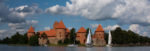
Many of those places have since acquired completely different roles. Tallinn’s Telliskivi district has turned former railway works into studios, restaurants, shops, and cultural venues. Riga has converted old factories and warehouses into galleries, restaurants, and event spaces. In Vilnius, Lukiskes Prison, which remained in use until 2019, now hosts artists, concerts, exhibitions, and guided visits. MIR’s overland routes spend time beyond the capitals in smaller towns, countryside, and cultural sites that make those differences much clearer.
The Balkans Beyond A Single Story
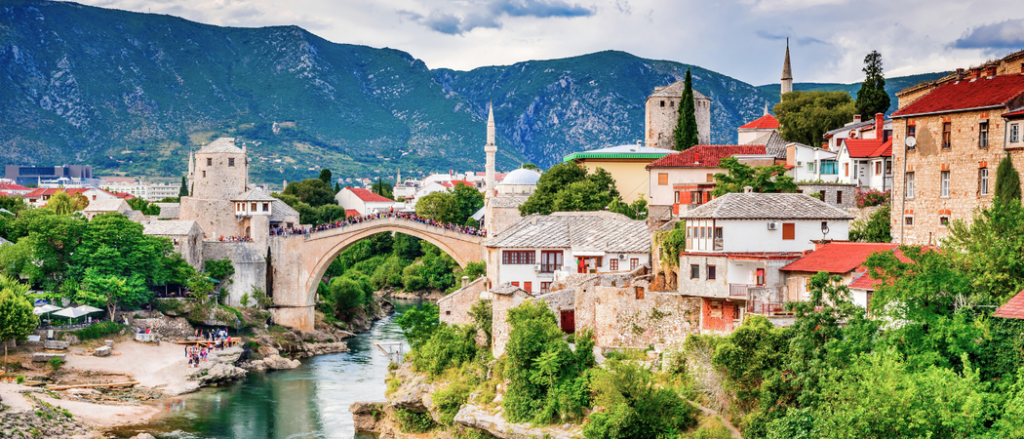
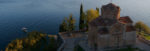
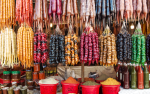
The Balkans have long brought different religions, empires, cuisines, and architectural traditions into close quarters. Ottoman bazaars, Orthodox monasteries, Adriatic trading towns, Austro-Hungarian buildings, mosques, churches, and local food traditions can appear within only a few hours of one another. The 20th century added Yugoslav modernism, Albania’s communist-era architecture, and the physical consequences of the wars and political changes of the 1990s.
Today, the region continues to reinterpret its recent past. Sarajevo’s film festival, founded during the city’s siege, has grown into a major platform for Southeast European cinema. In Tirana, the BUNK’ART museums use former Cold War bunkers to explore Albania’s communist history. Mostar’s reconstructed Stari Most once again spans the Neretva River at the heart of the old city. MIR has traveled the Balkans for 35 years, and that experience continues to inspire the routes we plan today.