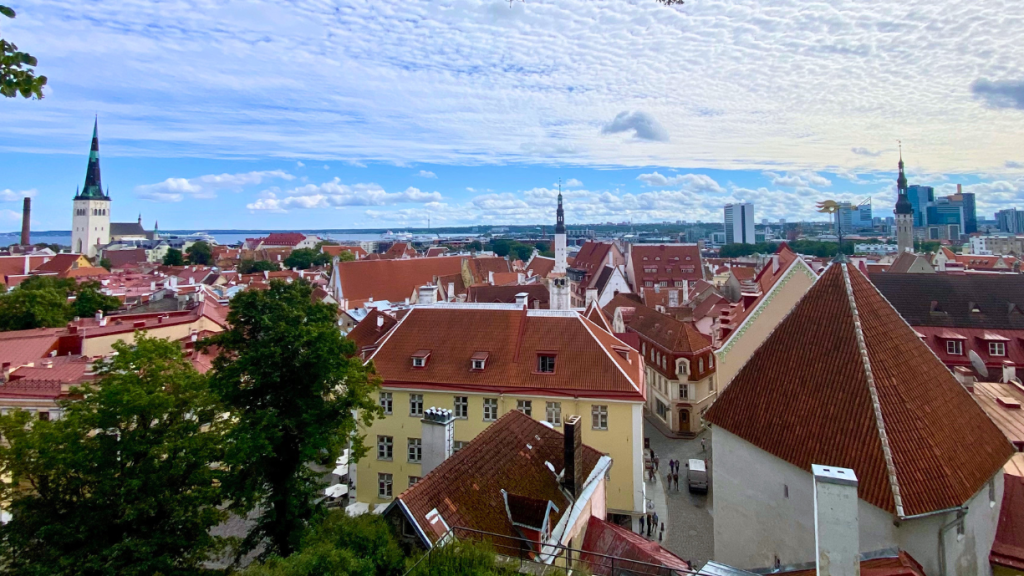
Photo credit: Tallinn's Old Town, Estonia, MIR Travel
You Haven’t Done Europe Until You’ve Done This Europe
3 Summer Small Group Tours Through the South Caucasus, Bulgaria & Romania, and the Baltics
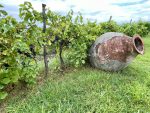
Some of the most compelling summer travel in Europe isn’t happening in the places everyone already knows. The Caucasus highlands, the painted monasteries of Romania, the cobbled old towns of the Baltic coast. These are destinations MIR has been traveling to for nearly 40 years, and once you’ve joined us, you’ll wonder why it took you so long to get here. In Georgia, you can taste wine made according to 8,000-year-old traditions, fermented in clay vessels buried in the earth. In Romania, you can stand in front of monastery walls covered floor to ceiling in 14th- and 15th-century frescoes. In the Baltics, you can walk the same cobbled streets where 300,000 people gathered to sing their way to independence from the Soviet Union. Three small-group tours, each departing soon. Which one will you choose this summer?
1. Village Traditions of the South Caucasus
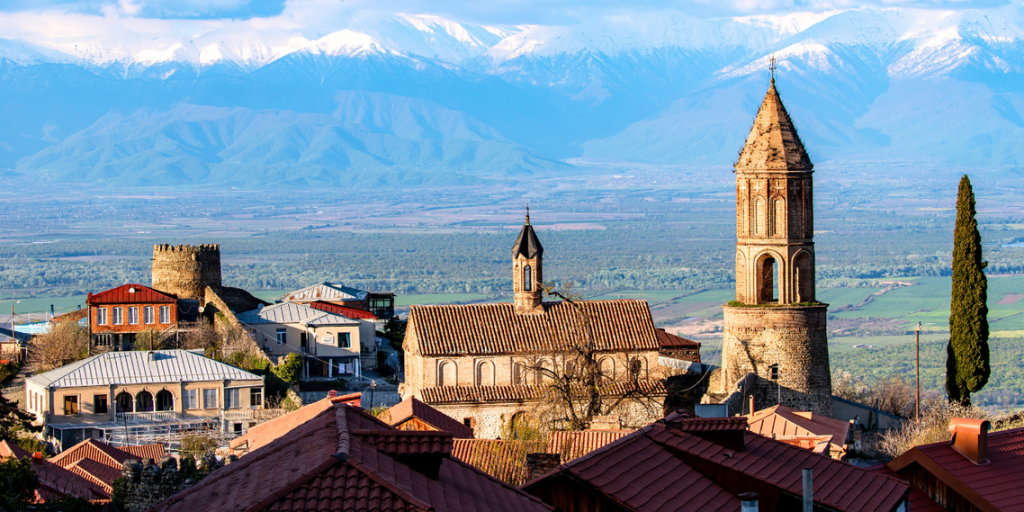
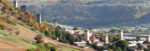
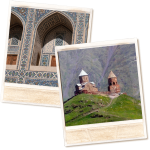
At Europe’s southeastern edge, the South Caucasus feels worlds away from the continent’s better-known capitals. Georgia, Armenia, and Azerbaijan are lands of mountain villages, ancient monasteries, Silk Road crossroads, and traditions that have endured for millennia. In Georgia, taste wines made using an 8,000-year-old method still practiced today in clay qvevri buried beneath the earth. In Armenia, medieval churches rise above dramatic canyons. In Azerbaijan, Baku’s skyline layers medieval stone walls and caravanserais beneath modern towers that rise like flames. This summer journey explores one of Europe’s most fascinating corners alongside expert guides and a small group of fellow travelers. Learn more about the tour >>
2. Bulgaria & Romania: Frescoes & Fortresses
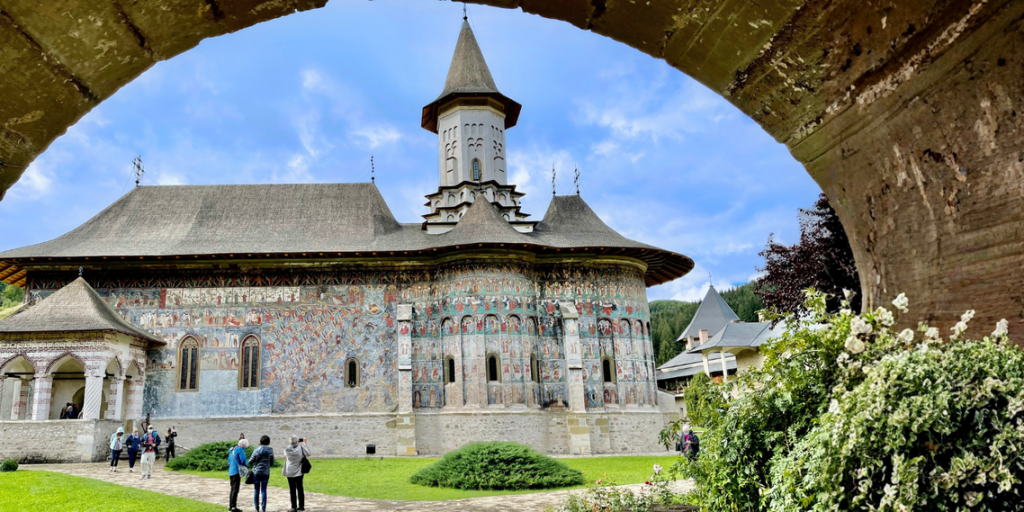
From Romania’s painted churches to Bulgaria’s mountain monasteries, the region preserves some of Eastern Europe’s most remarkable religious art and architecture. In Bucovina, exterior frescoes painted over 500 years ago cover monastery walls, depicting scenes in vivid blues and reds. In Bulgaria, Orthodox monasteries continue to serve as centers of community life, surrounded by forests and mountain valleys. The route also goes through fortified towns, vineyard regions, and settlements influenced by the Greek, Ottoman, and Austro-Hungarian civilizations. Learn more about the tour >>
3. The Baltics
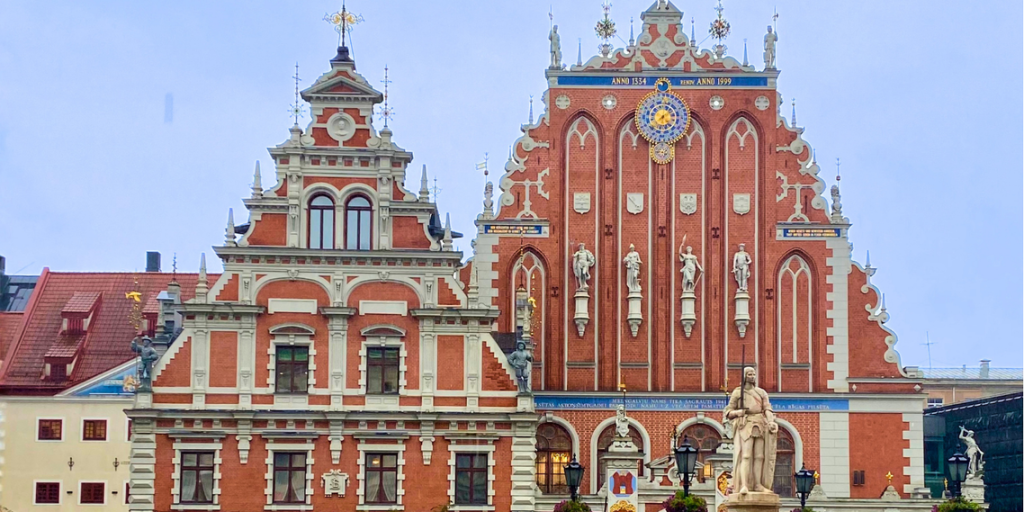
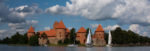
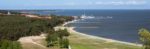
Estonia, Latvia, and Lithuania reveal a side of Europe that still feels undiscovered. In Tallinn and Riga, church spires and merchant houses line streets first built during the Hanseatic era. Riga also has one of Europe’s finest collections of Art Nouveau architecture. In Vilnius, baroque courtyards open into one of Europe’s largest old towns. The journey also explores the Baltic countryside and coast, including manor estates, pine forests, and villages along the Curonian Spit. Learn more about the tour >>