Photo credit: The Balkans with MIR Corporation
What It’s Like to Explore the Balkans Right Now
Firsthand Insights from MIR Travel Advisors Who Explored the Region this Year
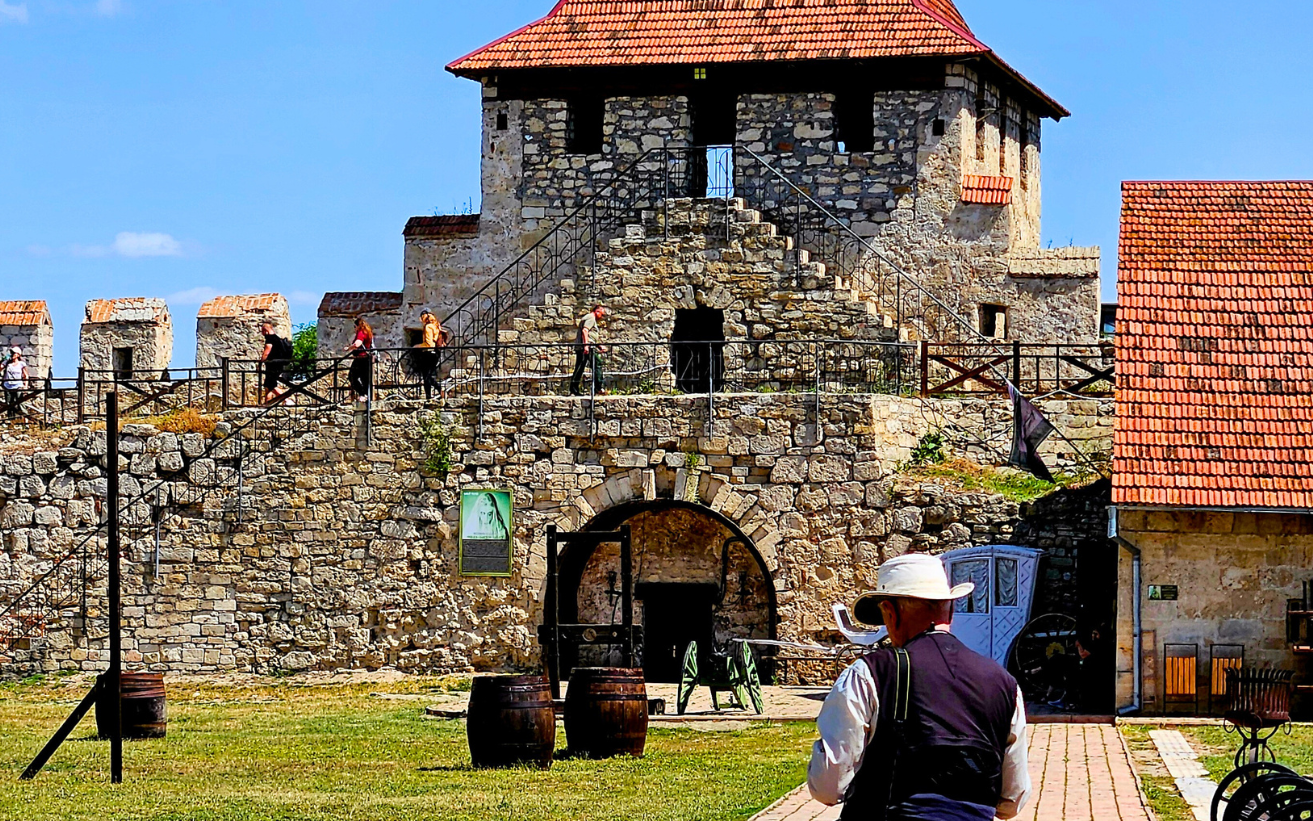
MIR Travel Advisors Corinne, Lisa, and Joanna each returned from separate trips to the Balkans, sharing what it’s like to explore the Balkans and travel through the region today. They met with locals over home-cooked meals, sampled regional beers from boutique breweries, tasted wines in centuries-old cellars stretching miles underground, and experienced the hospitality that defines daily life across this part of Europe. Their travels brought them to UNESCO-listed towns including Mostar, Dubrovnik, and Berat, where history remains visible in everyday routines and conversations. Read on to discover what they experienced and how MIR can take you there.
1. Albania and Montenegro
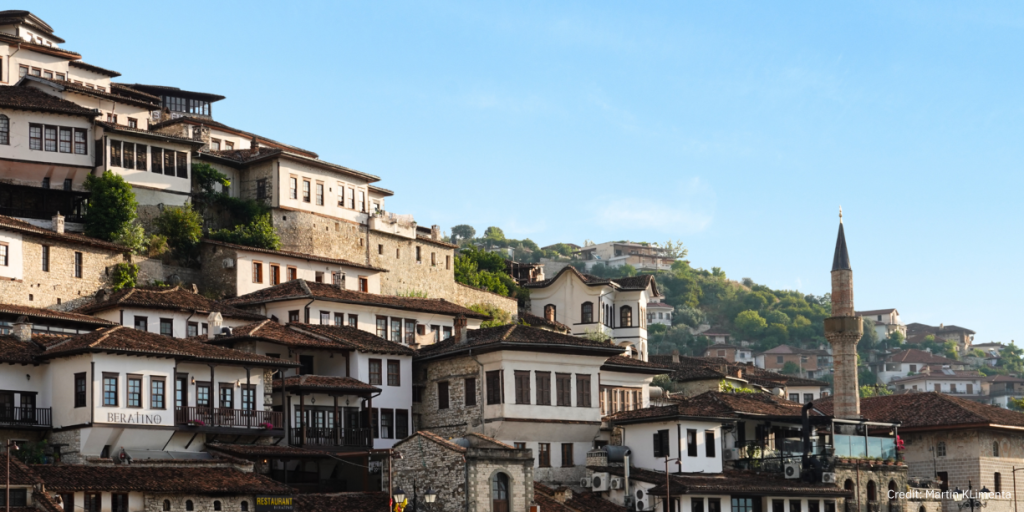
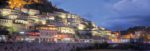
In Tirana, Albania‘s Capital, new buildings stand beside older quarters where markets stay lively through the day. To the south, Berat, a UNESCO-listed city known as the “town of a thousand windows,” shows white Ottoman-era houses in tiers above the Osum River, where family-run restaurants serve byrek, grilled vegetables, and salads dressed with local olive oil. In Montenegro, the Bay of Kotor curves around a harbor town of stone houses and steep fortifications. Nearby, the small island of Our Lady of the Rocks is said to have been created by local sailors who placed stones in the water after each safe voyage, a custom remembered every July during the Fasinada boat procession.
2. Slovenia and Croatia
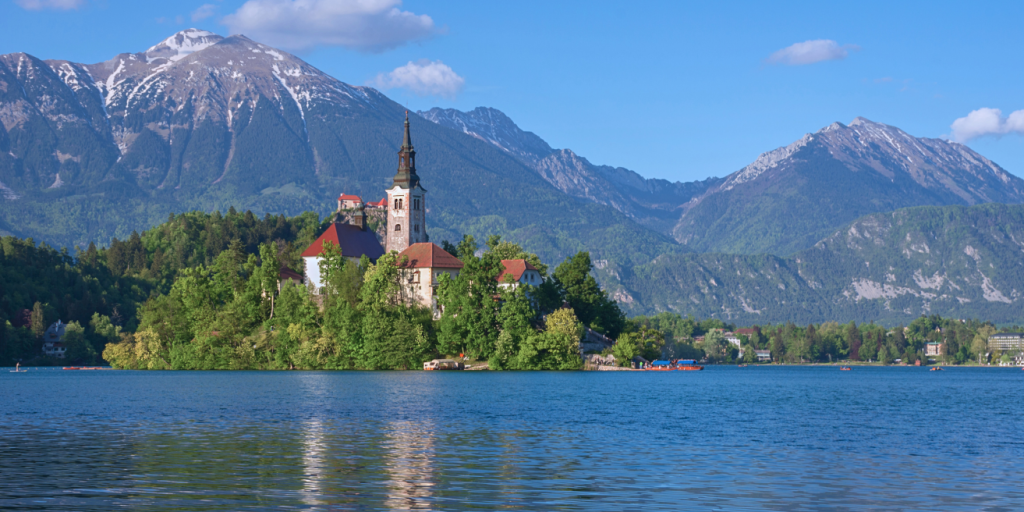
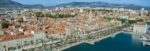
Slovenia combines alpine scenery with small, welcoming towns. In Ljubljana, the old town stretches along the riverfront, with bridges, cafes, and open markets filling its walkable center. North of the capital, Lake Bled sits at the foot of the Julian Alps. In Croatia, Dubrovnik’s walls look out over the Adriatic and lead into quiet courtyards that offer a calm pause from the crowds. Istria is a region of hill towns and coastal villages where truffles, olive oil, and Malvazija wine are part of daily life.
3. Serbia and Bosnia & Herzegovina
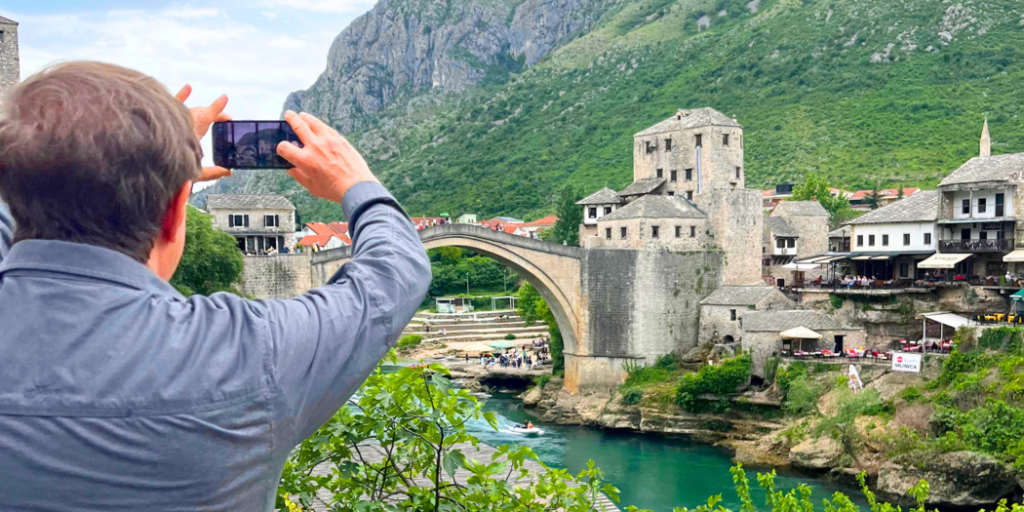
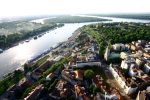
Belgrade in Serbia moves with its rivers. In the evenings, the cafes along the Sava and Danube fill with locals. Later on, the old quarter of Skadarlija hums with live music and late dinners. Sarajevo’s narrow lanes and hillside neighborhoods demonstrate how Ottoman, Austro-Hungarian, and Slavic influences converge in one compact, walkable city. A few hours south, in the heart of Bosnia and Herzegovina, Mostar’s stone bridge spans the emerald Neretva River, where artisans in nearby workshops still hammer copper by hand.
4. North Macedonia and Kosovo
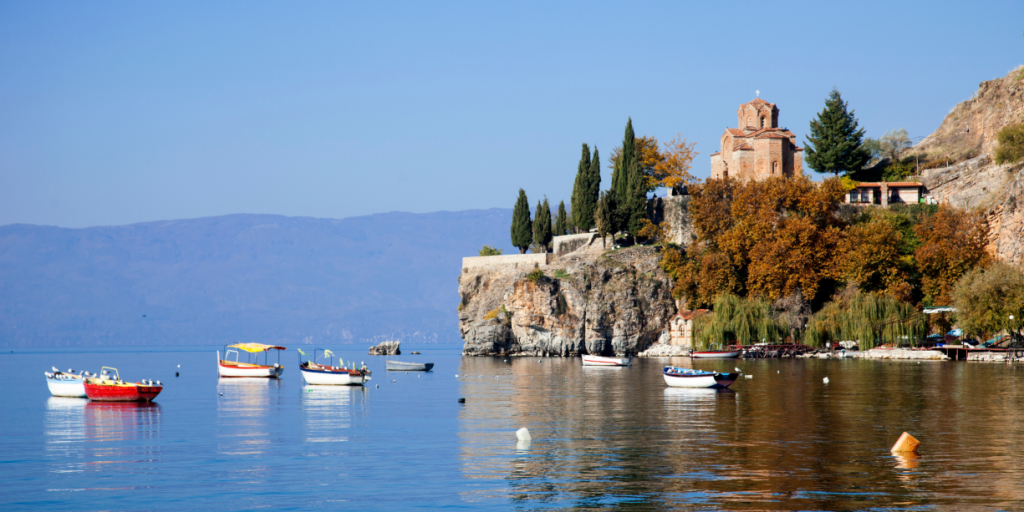
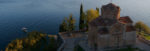
In North Macedonia, Lake Ohrid’s quiet beauty centers on its waterfront and ancient monasteries. The Church of St. John overlooks the lake, while Saint Naum Monastery sits near the springs that feed it. In the evenings, locals gather for music and conversation. In Kosovo, visits often begin in Pristina, where the domed National Library stands near busy streets. Outside the city, family homes welcome visitors for rakija and stories of recent years, a glimpse into everyday life and the country’s steady recovery.